Provence, the Luberon and their bastides
Provence is the inland country between the Rhône and the Verdon that the south of France keeps for itself. It takes in the hilltop villages of the Luberon and the ocher cliffs of Roussillon, the white rock of the Alpilles above Les Baux, the fountains and plane trees of Aix under the Montagne Sainte-Victoire, the popes' palace inside the walls of Avignon, the lavender of Haute-Provence, and the limestone calanques where the hills fall into the sea at Cassis. Its hotels are bastides, priories and farmhouses first: a sixteenth-century house at the top of Gordes, a village of stone at Gargas, a vineyard with a sculpture park north of Aix, a convent among the lavender at Mane. We looked at every serious address between Avignon and the coast and kept only those whose service holds up to the country. Fourteen made the cut – four hold five-star standing and ten hold four-star standing, and the copy says which is which.
Luxury hotels in Provence & the Luberon
14 hotels
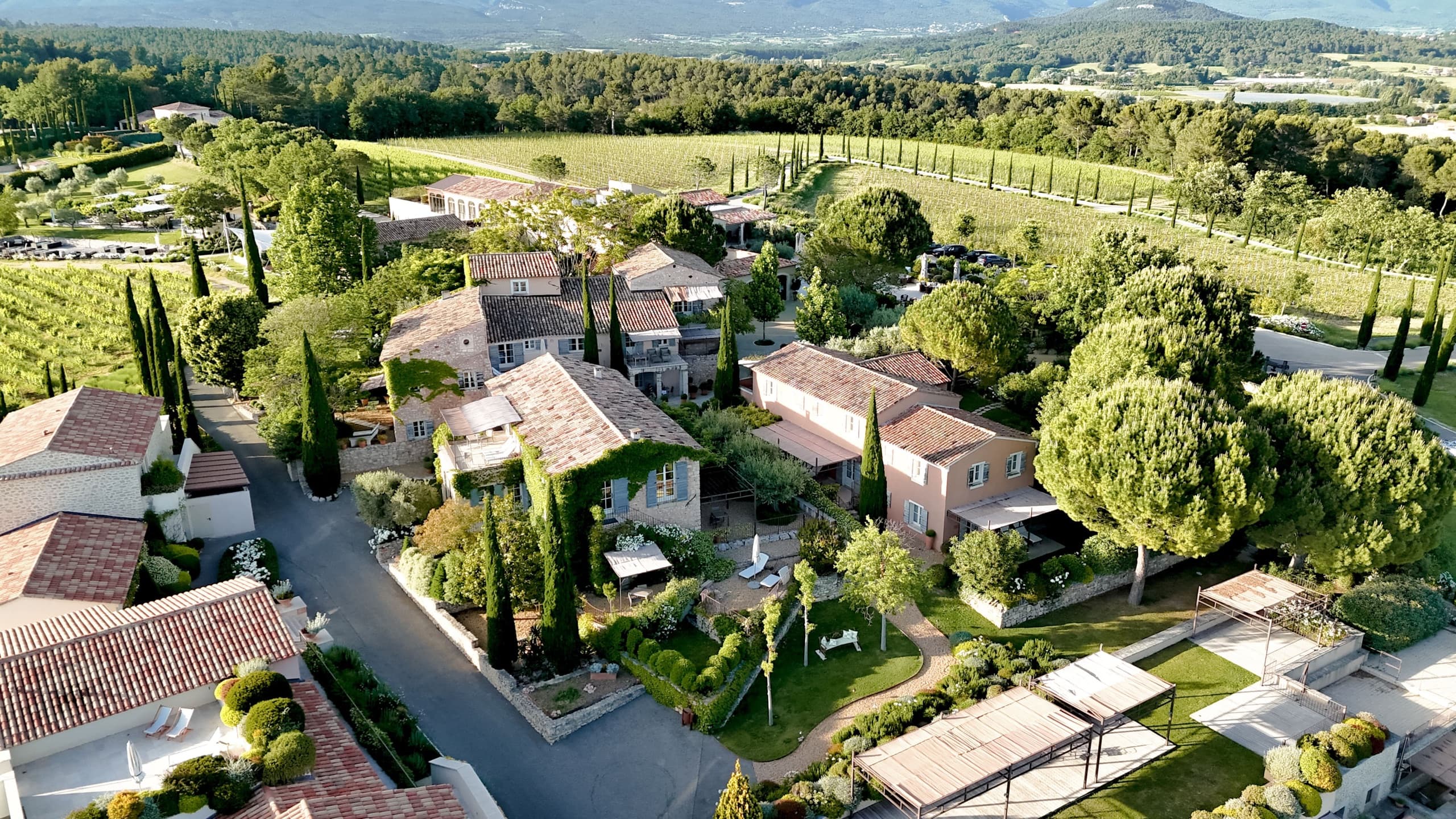
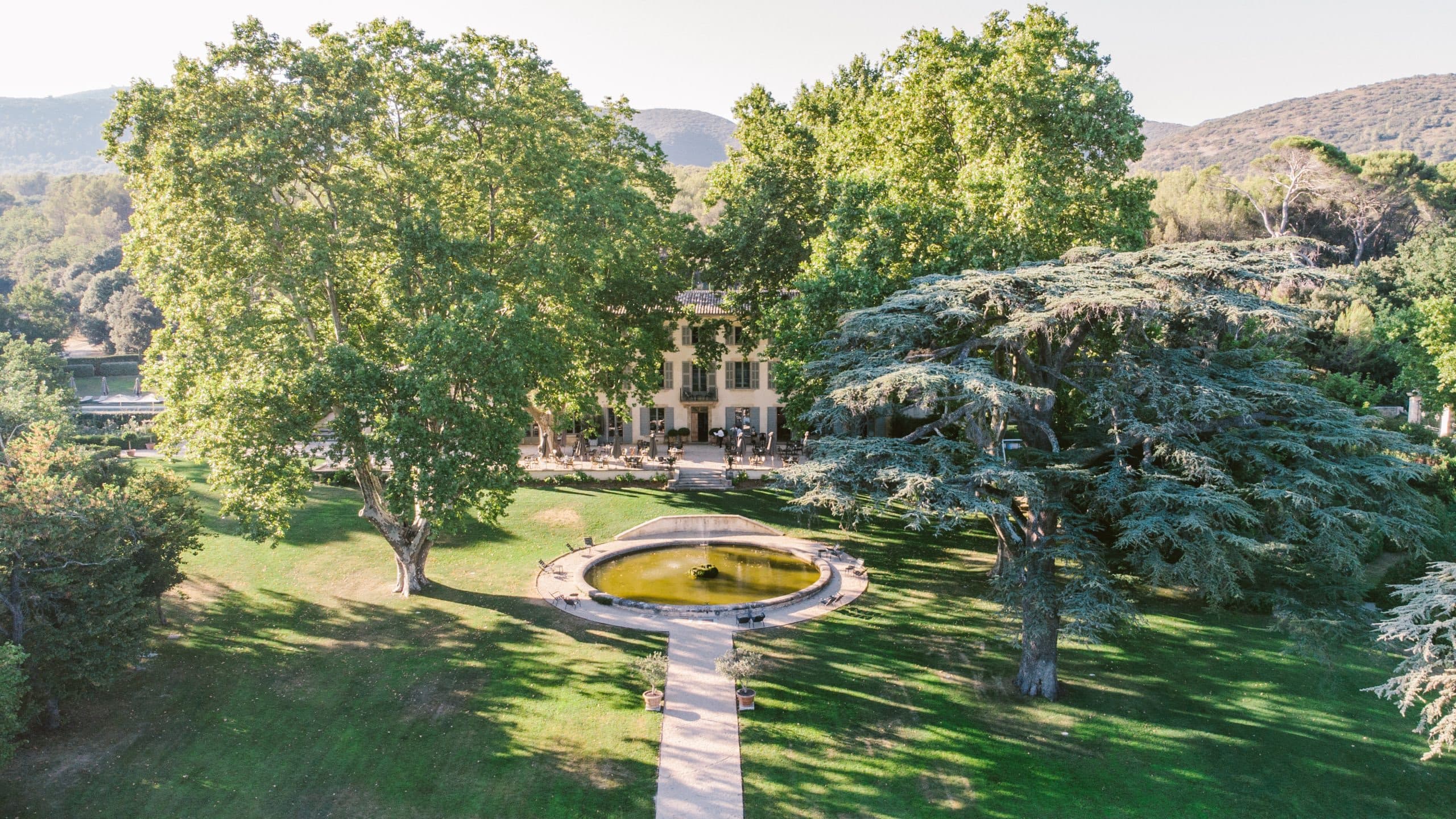
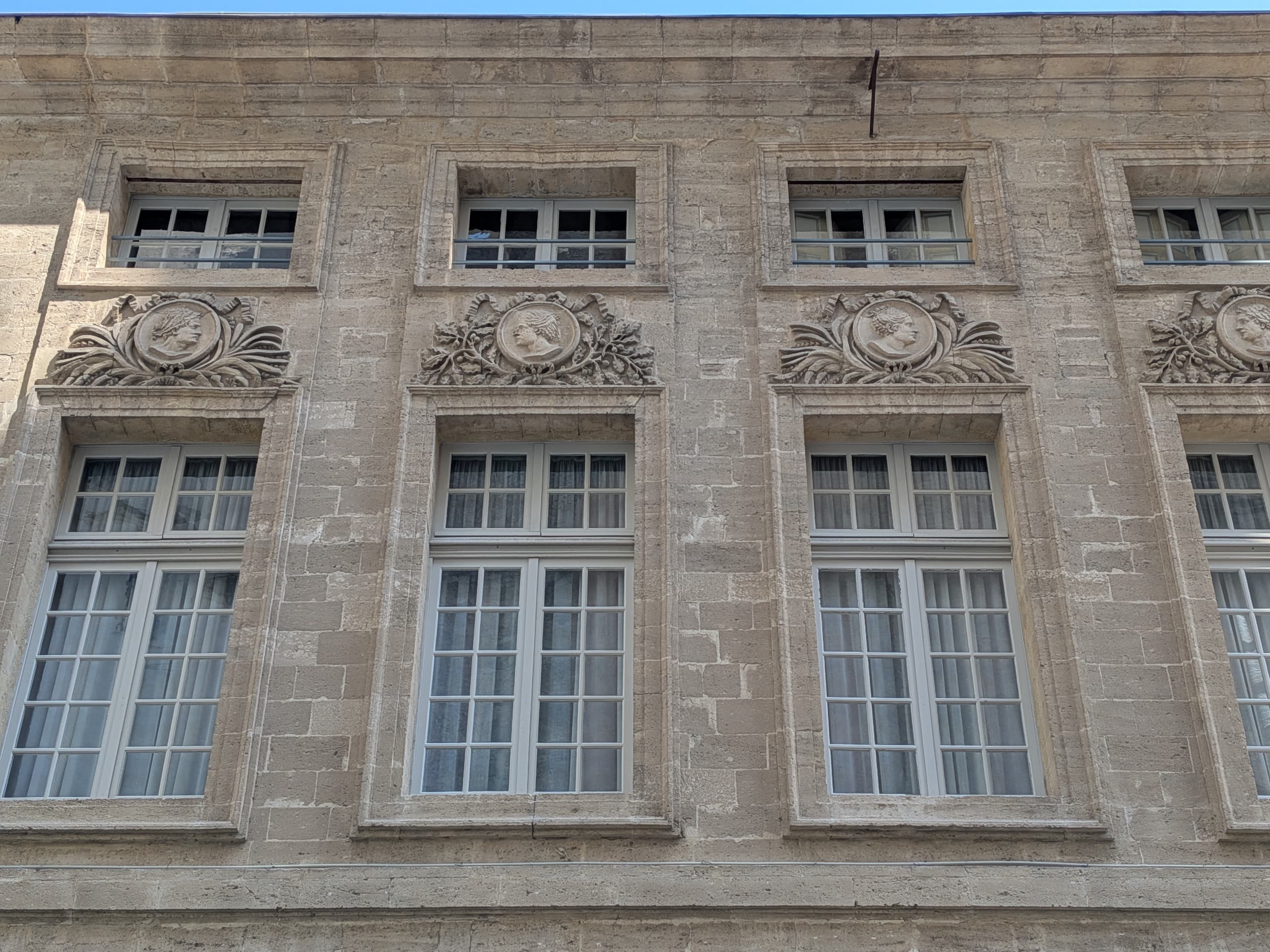
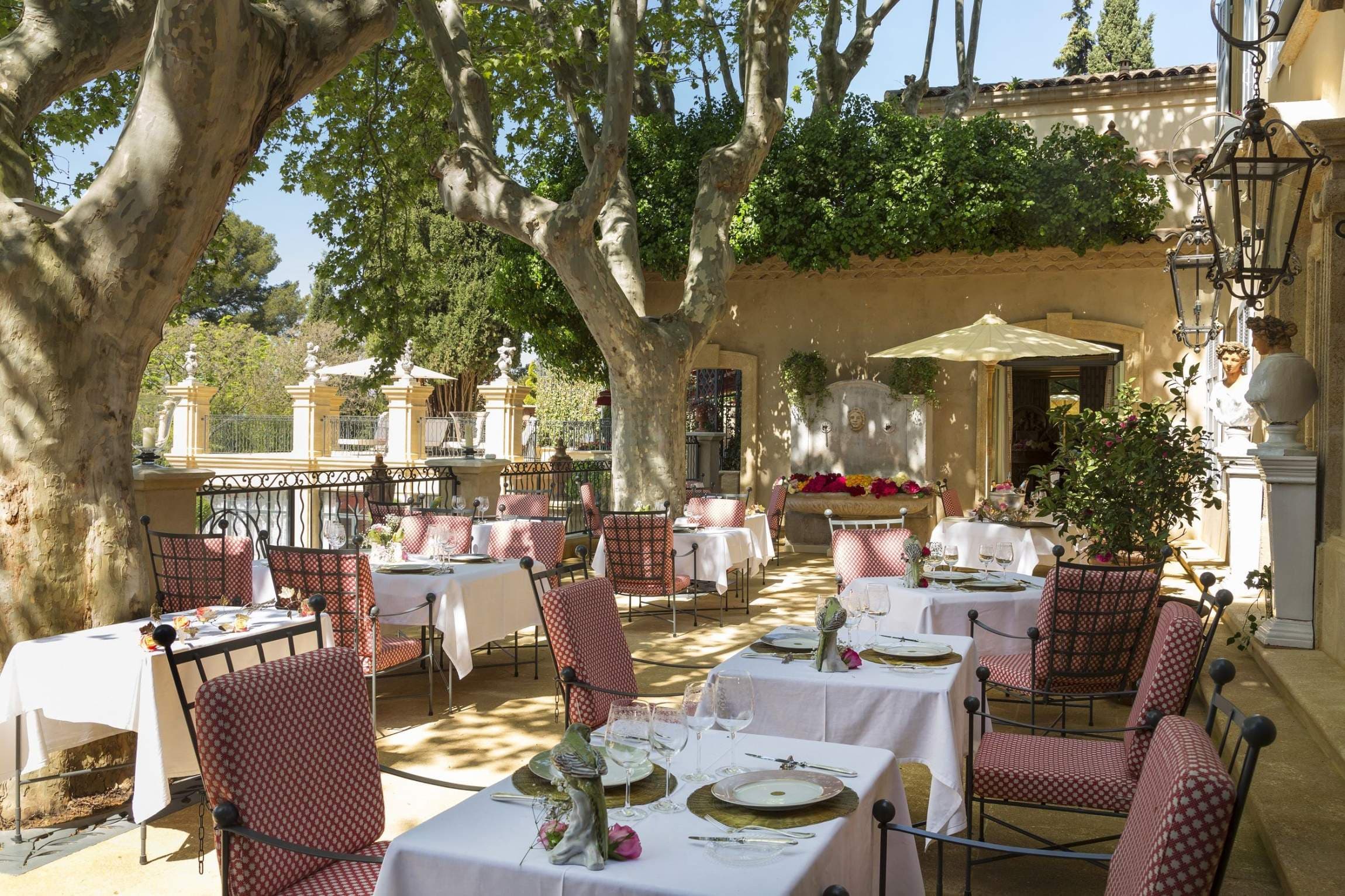
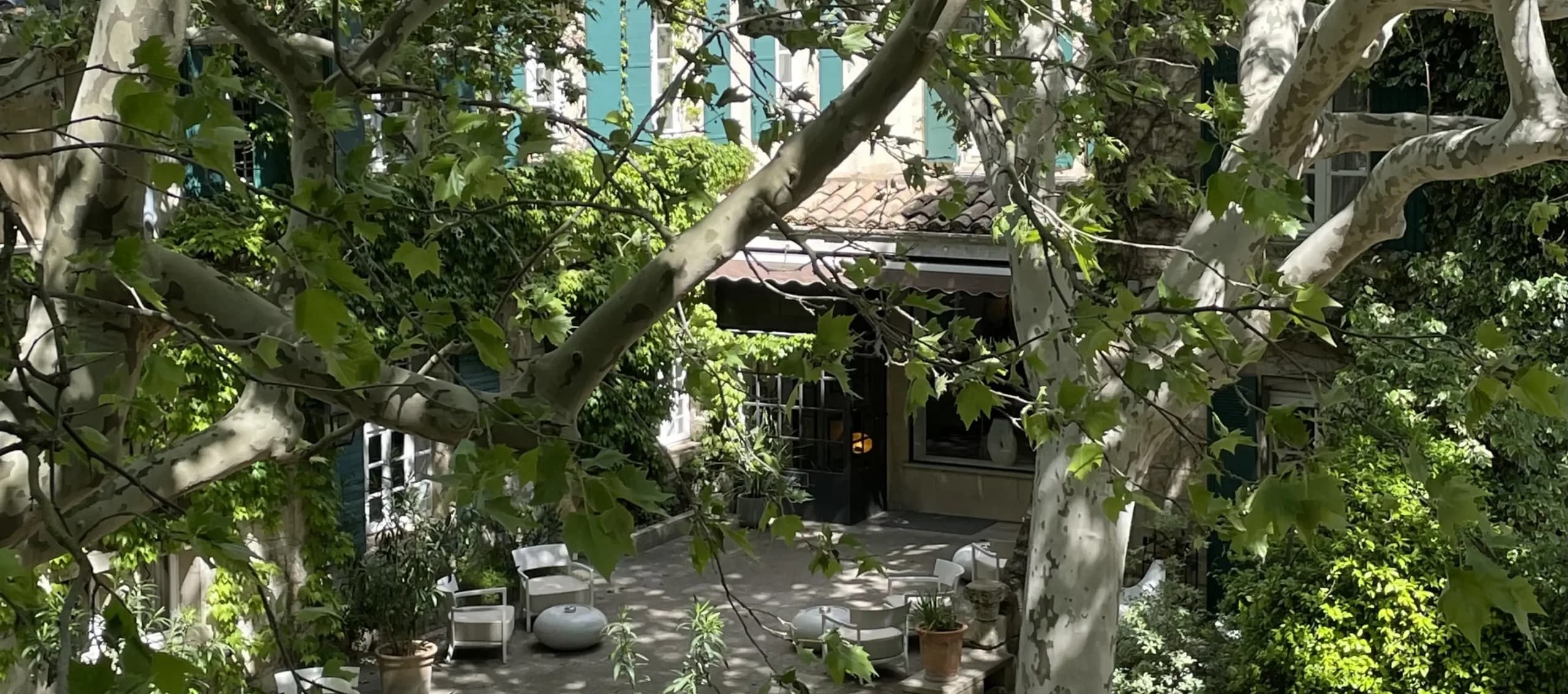
The Luberon: Gordes & Bonnieux
The massif and the valley between the Monts de Vaucluse and the Durance hold four of the fourteen hotels. They take in Gordes on its rock with Sénanque Abbey in the fold below, the ocher cliffs of Roussillon, Joucas and Gargas above the vines, Bonnieux, Lacoste and Ménerbes along the northern face, Lourmarin and Lauris on the southern one, and the Friday market at Lourmarin.
The neighborhoods
The Luberon: Gordes & Bonnieux
The massif and the valley between the Monts de Vaucluse and the Durance hold four of the fourteen hotels. They take in Gordes on its rock with Sénanque Abbey in the fold below, the ocher cliffs of Roussillon, Joucas and Gargas above the vines, Bonnieux, Lacoste and Ménerbes along the northern face, Lourmarin and Lauris on the southern one, and the Friday market at Lourmarin.
Alpilles: Les Baux & Saint-Rémy
The white limestone ridge between the Rhône and the Durance, a regional park, holds one of the fourteen hotels. Here are the rock and the citadel of Les Baux with the Carrières des Lumières in the quarries below, Saint-Rémy-de-Provence with the Roman site of Glanum and the asylum of Saint-Paul-de-Mausole where Van Gogh painted, the olive groves and the Wednesday market.
Aix-en-Provence & the Pays d'Aix
Cézanne's city and its country, with the Montagne Sainte-Victoire to the east, hold four of the fourteen hotels. The city has the Cours Mirabeau under its plane trees, the fountains and the old town; to the north lie the vineyards of Le Puy-Sainte-Réparade along the Durance.
Avignon & Villeneuve-lès-Avignon
The walled city of the popes and Villeneuve-lès-Avignon across the Rhône hold two of the fourteen hotels. On the left bank are the Palais des Papes, the Pont d'Avignon, the Place de l'Horloge and the festival that fills the streets in July; across the river, Villeneuve keeps the Fort Saint-André and the Chartreuse.
Haute-Provence & the Verdon
The high country of the Alpes-de-Haute-Provence holds one of the fourteen hotels. Forcalquier has its Monday market and Mane the priory of Salagon; the lavender of the Valensole plateau blooms in early summer, and beyond lie Moustiers-Sainte-Marie and the gorge of the Verdon.
Cassis, Marseille & the Calanques
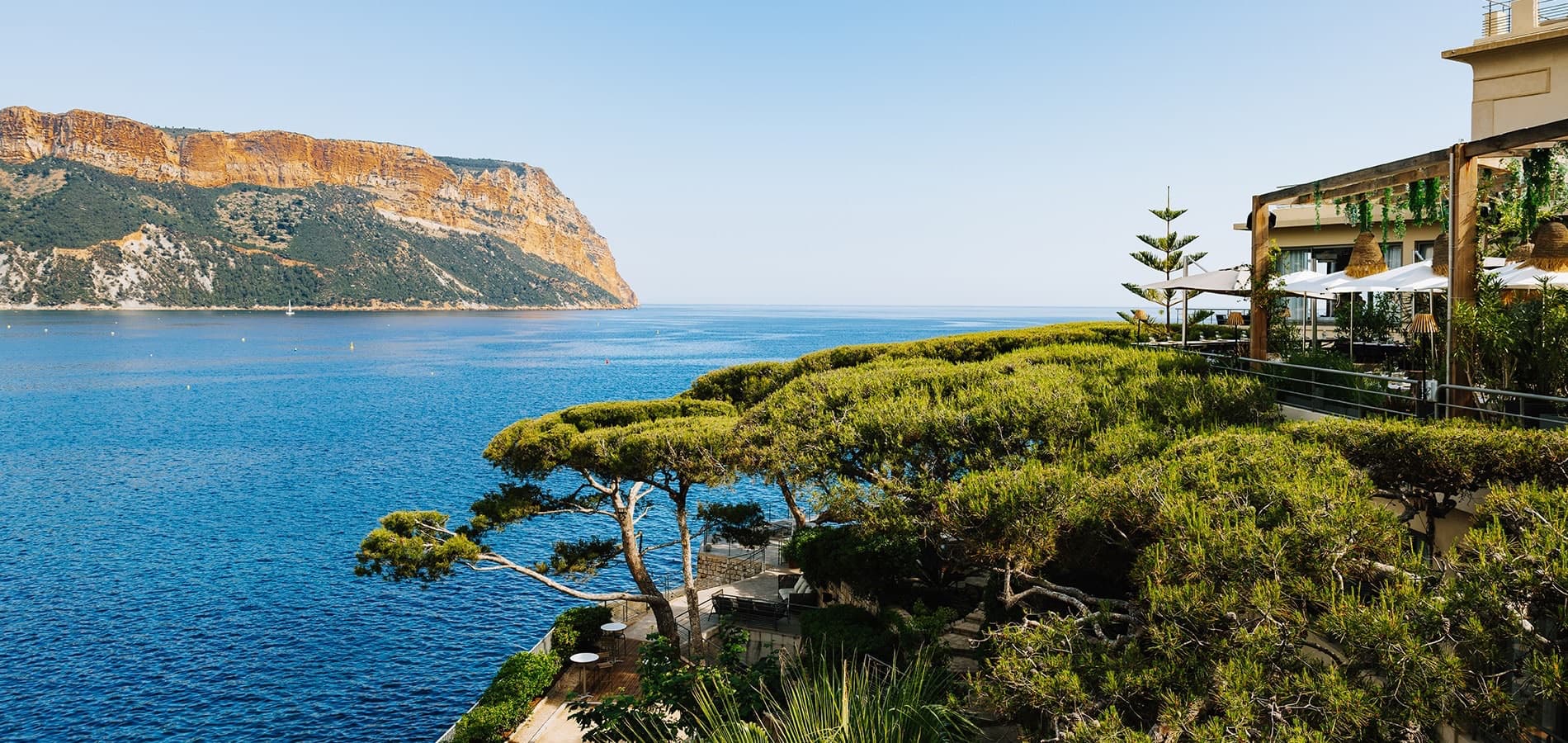
The coast where the hills fall into the sea holds one of the fourteen hotels. Cassis has its harbor and its vineyards under Cap Canaille; the limestone creeks of the Calanques national park run between Cassis and Marseille, and the city itself, with the Vieux-Port and the MuCEM, is half an hour away.
Bandol & Le Castellet
The Var coast between La Ciotat and Toulon, half an hour east of Cassis, holds one of the fourteen hotels. It takes in Bandol on its bay with its vineyards on the terraces behind, the hilltop village of Le Castellet, and the pines of the Hauts-du-Camp and the Circuit Paul Ricard on the plateau.
Good to know
Which are the five-star hotels in Provence & the Luberon?
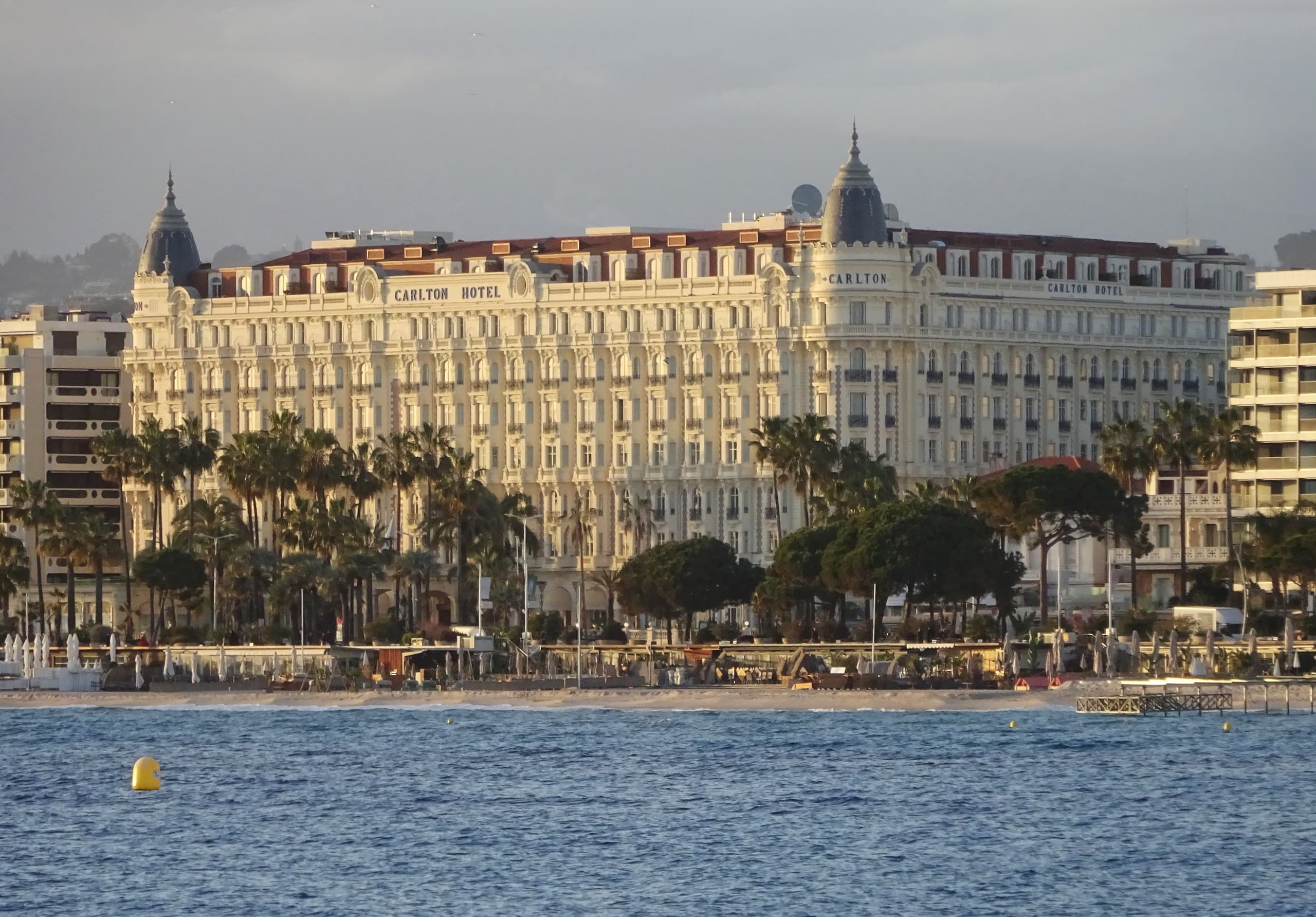
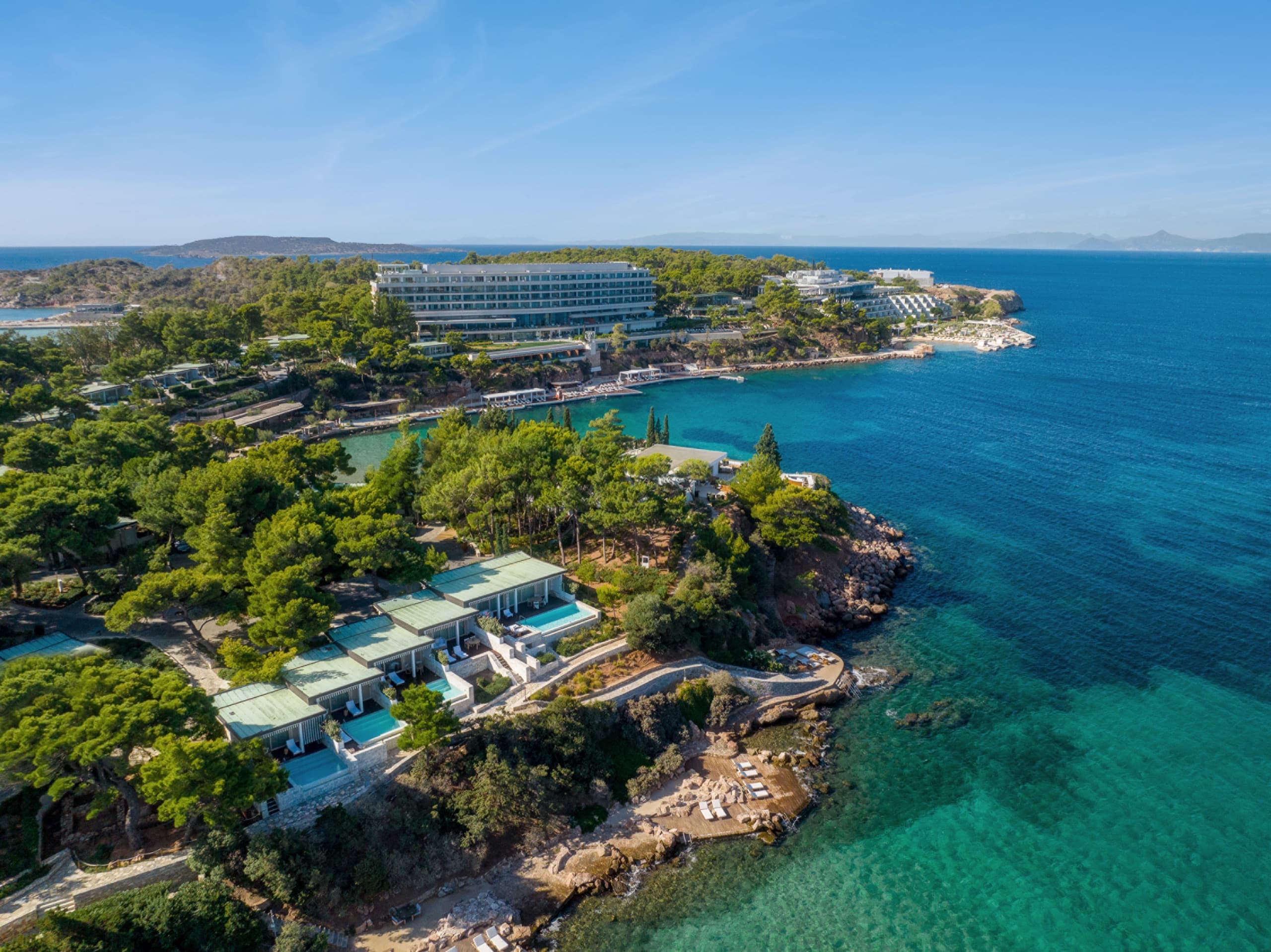
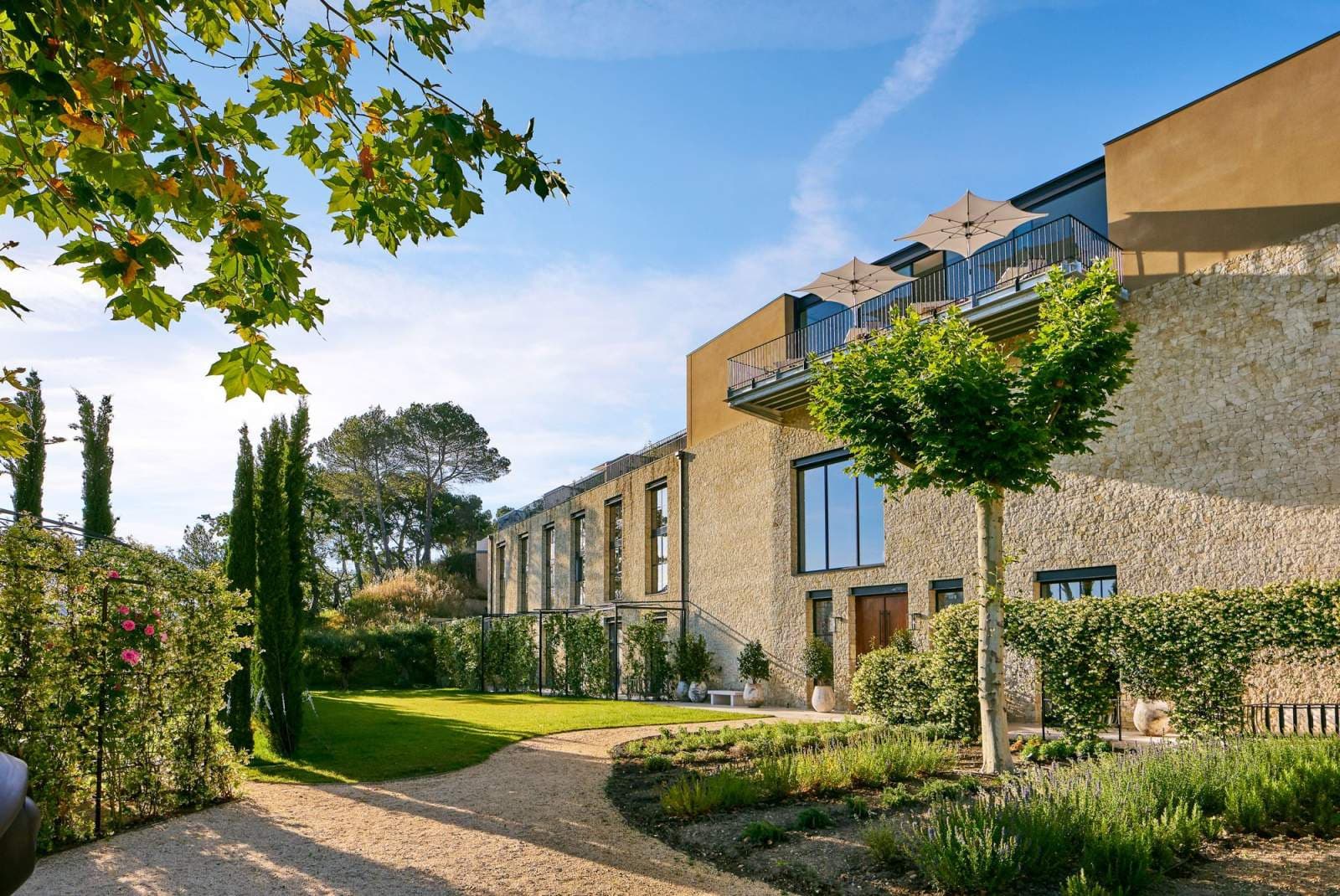
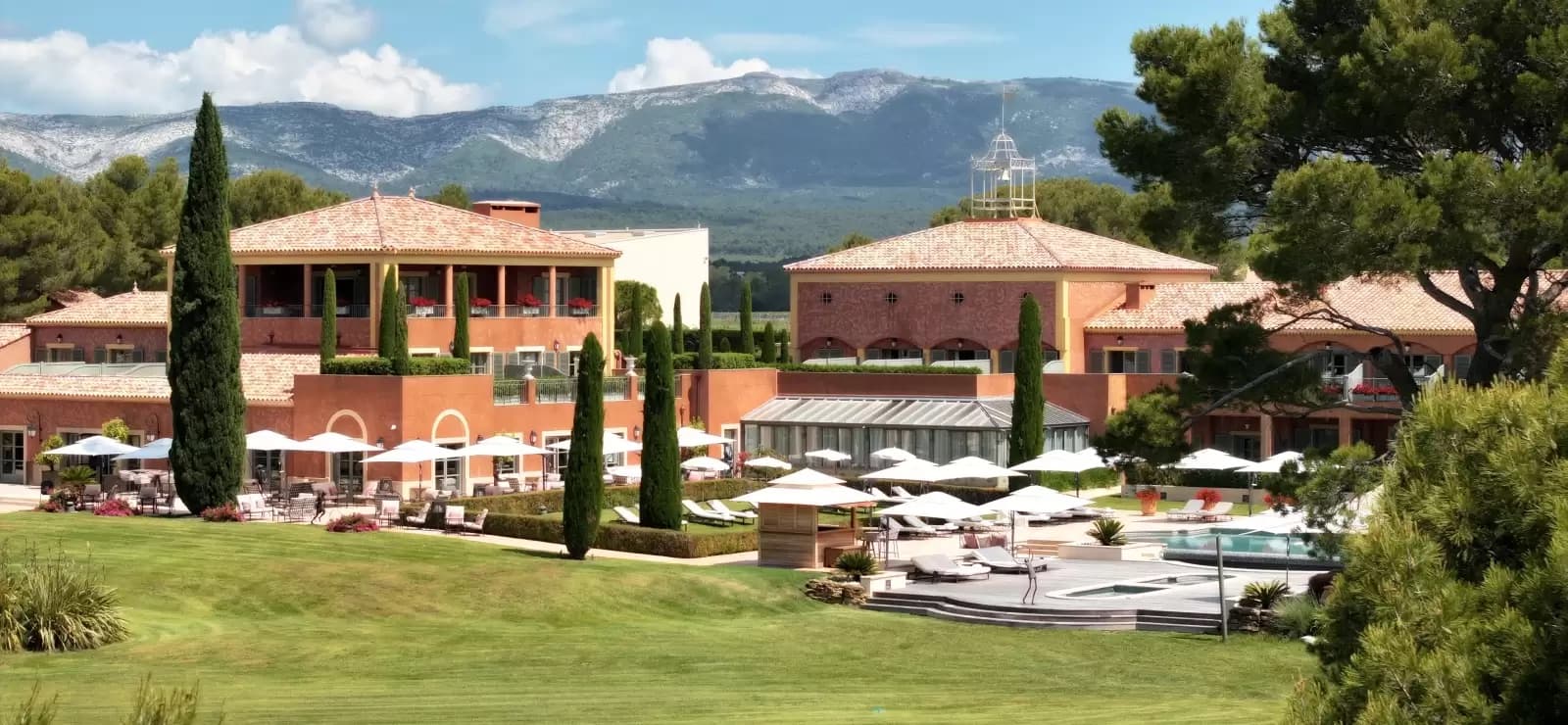
Four. The five-star hotels we list in Provence & the Luberon are Airelles Gordes, La Bastide, at the top of the village of Gordes; Villa La Coste, on the Château La Coste estate north of Aix; Baumanière Les Baux-de-Provence, at the foot of the rock of Les Baux; and Hôtel & Spa du Castellet, on its estate above Bandol. Alongside them we keep ten four-star addresses that hold four-star standing and are never called five-star: Coquillade Provence; Domaine de Fontenille; Le Phébus & Spa, in the Luberon; Château de la Gaude; Villa Gallici; Château de Fonscolombe, around Aix; La Mirande and Le Prieuré-Baumanière, in Avignon and Villeneuve; Le Couvent des Minimes Hôtel & Spa L'Occitane, at Mane in Haute-Provence; and Les Roches Blanches, at Cassis. Each has its own page, reached from the list above, with a concierge behind every stay.
Which part of Provence should I stay in?
The Luberon holds four of the fourteen – Airelles at the top of Gordes, Coquillade in its hamlet above the vines at Gargas, Le Phébus between Gordes and Roussillon, and Fontenille at Lauris on the south face of the massif – for the hilltop villages, the ochers and the markets. Aix and the Pays d'Aix hold four more – Villa La Coste and Château de Fonscolombe on the vineyards of Le Puy-Sainte-Réparade, Château de la Gaude on the edge of the city and Villa Gallici five minutes from the Cours Mirabeau – for Cézanne's country and a city you can walk. Avignon and Villeneuve hold La Mirande under the Palais des Papes and Le Prieuré across the Rhône; Les Baux holds Baumanière in the Alpilles; Mane, near Forcalquier, holds Le Couvent des Minimes among the lavender; Cassis holds Les Roches Blanches on the rocks above the harbor; and Bandol, half an hour east along the coast, holds Hôtel & Spa du Castellet on its estate above the bay. Choose the Luberon for the villages, Aix for the city and the vines, Les Baux for the Alpilles, Avignon for the walls and the river, Haute-Provence for the lavender and the Verdon, Cassis and Bandol for the sea.
When is the best season for Provence – and when do the hotels close?
April to June and September to October are the weeks Provence does best – warm days, the villages and the markets at their most civilized, the vines in leaf or in harvest, and the terraces in use from breakfast to dinner. The lavender of the Valensole plateau and of Sénanque flowers from late June to the middle of July; July and August are hot and full, with the Festival d'Avignon and the Festival d'Aix taking the rooms of both cities weeks ahead, and the mistral can blow hard in any month. Winter is quiet and clear, and several of the houses close for part of it: Airelles Gordes, Coquillade, Le Phébus, Le Prieuré and Les Roches Blanches keep a seasonal calendar, Villa Gallici closes from 20 to 27 December 2026 and from 3 January to 5 February 2027, Le Couvent des Minimes closes from 22 to 25 December 2026 and its restaurant Le Feuillée from 1 January to 2 March 2027, and Villa La Coste, La Gaude, La Mirande, Fontenille and Fonscolombe are expected to stay open. The concierge confirms each hotel's dates for the year before you book.
How do you get to Provence – and do I need a car?
Marseille-Provence airport, at Marignane, is the gateway – about half an hour by road to Aix, an hour to the Luberon and to Cassis, an hour and a quarter to Avignon – with flights from most of Europe. The TGV from Paris reaches Avignon in about two hours and forty minutes and Aix-en-Provence TGV in about three, and both stations are a short drive from the hotels of their zones. Once you are there a car earns its keep everywhere but inside Avignon's walls: the villages of the Luberon are strung along the valley, the Alpilles and Haute-Provence are lanes and passes, and the markets move from town to town with the days of the week. The hotel arranges a car from the airport or the station with your booking.
How do I reserve a stay?
Search your dates on the hotel's page to see reference rates, then send the concierge a request. The concierge confirms exact rates and availability with you before anything is booked, and any payment and its timing are set out before you confirm.